Eastern Greenland: At the Edge of the Ice
Last Updated: March 2026
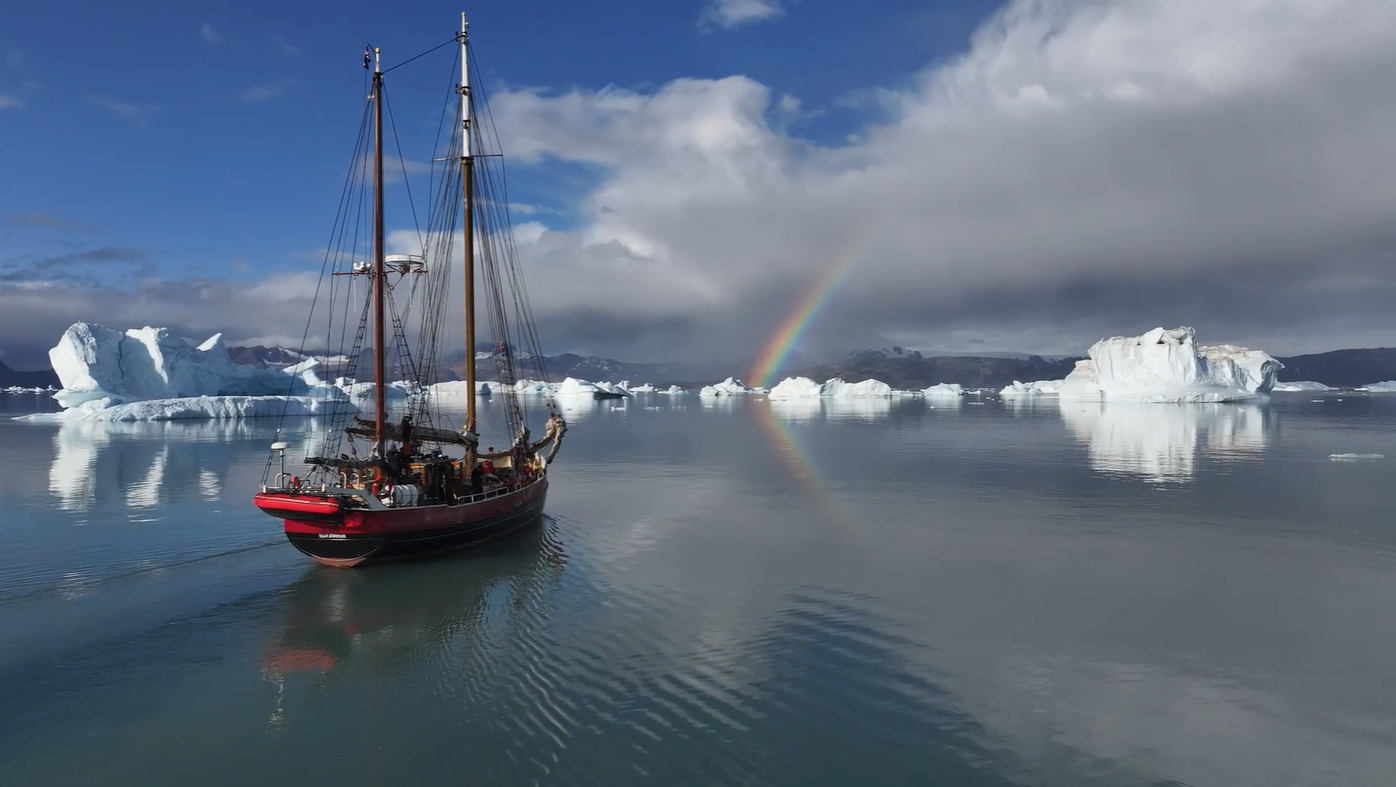
I joined an expedition to eastern Greenland focused on raising awareness of global warming. Eastern Greenland is one of the most remote inhabited regions on earth — no roads between settlements, just ice and water and rock. Getting there is an undertaking in itself.
Calving Glaciers and the Scale of What is Changing
We witnessed several icebergs calving during the trip — massive sections of glaciers breaking away and crashing into the fjord. If you have not seen it in person, it is difficult to explain the scale. You can watch it happen from a distance and still feel the displacement of water. It does not look like something that should be possible.
The Greenland ice sheet has been losing an average of roughly 270 billion tonnes of ice per year since 2002. In eastern Greenland specifically, recent melt seasons have extended well beyond their historical window, with ice continuing to melt deep into September - weeks past when it should stop. The numbers are staggering, but standing there watching an iceberg the size of a building slide into the water, the numbers become physical.
A Way of Life Built on Ice
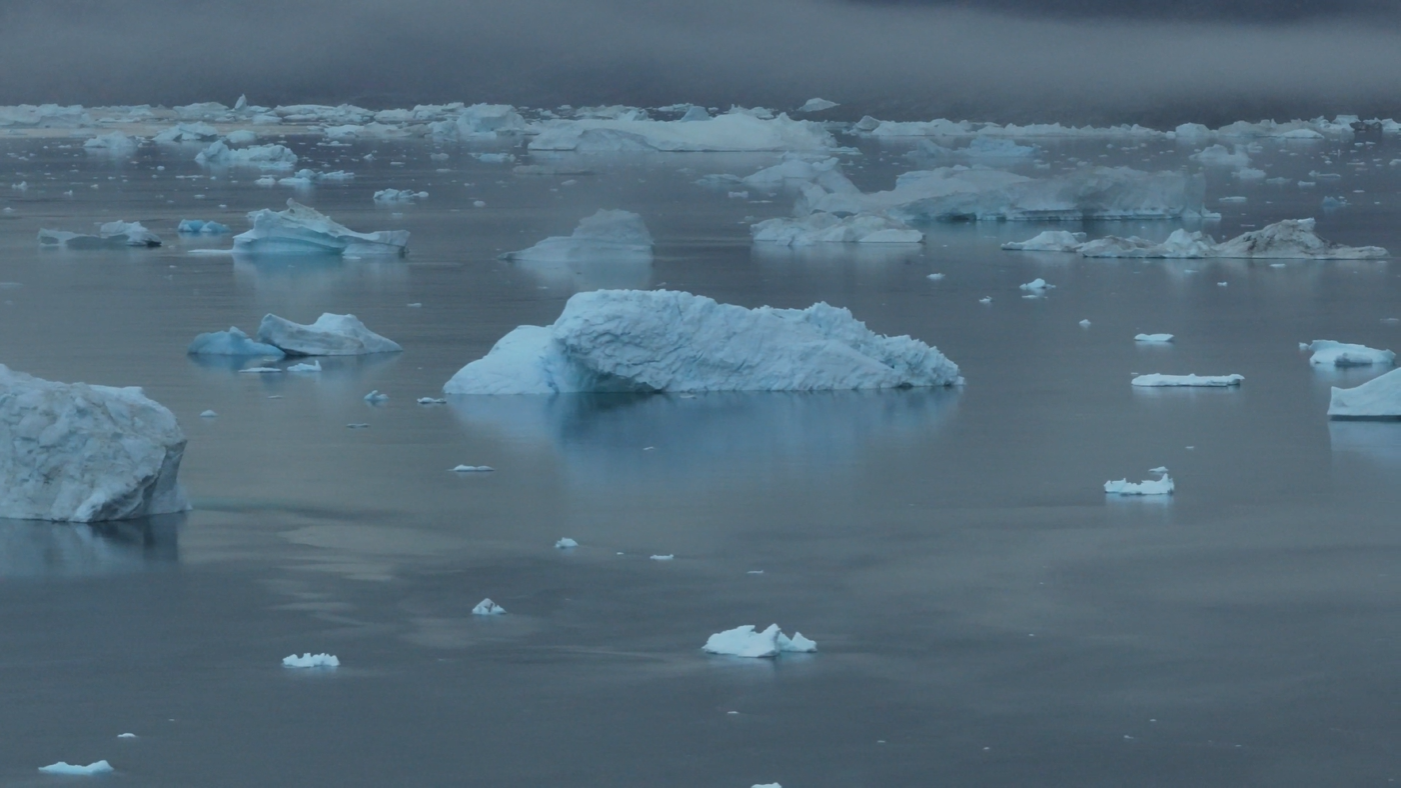
The decline in sea ice is changing everything for the communities here. Their way of life — hunting, fishing, moving across the frozen coast by dog sled — depends on ice that is no longer reliable. Hunters in northwest Greenland have reported that the period when travel by dog sled on sea ice is possible has decreased from five months to three. Over the past two decades, the sled dog population across Greenland has halved to around 15,000. The cultural knowledge that comes with it - reading the ice, tracking animals, navigating by sled - is disappearing alongside the ice itself
We visited a small town that felt nearly deserted. It was an eye-opener to what is already underway. Eastern Greenland’s communities are some of the most isolated on the planet. When the ice that connects them to hunting grounds and to each other becomes unpredictable, the impact is not abstract. It is immediate.
When the Ice Becomes “Black Gold”
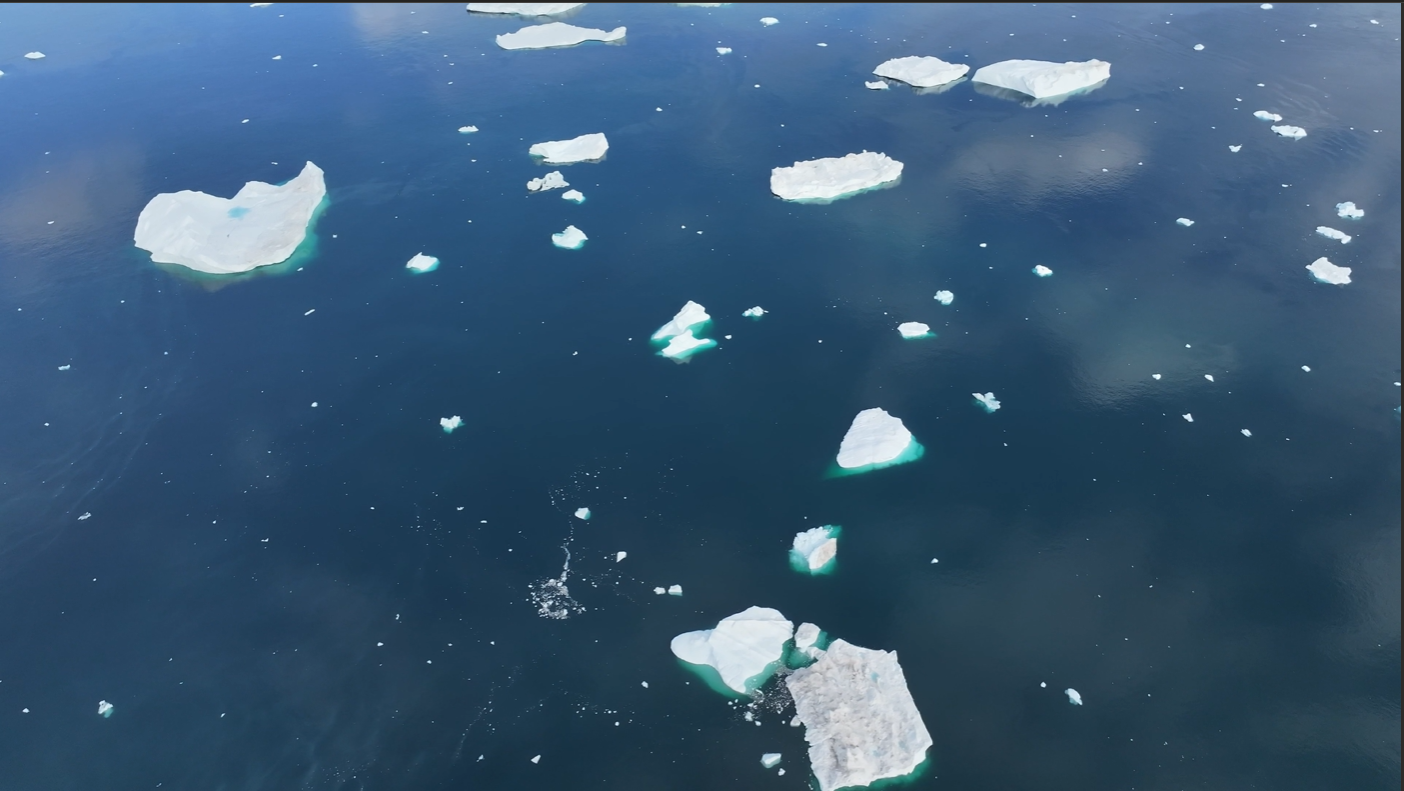
One detail from the trip has stayed with me. Greenlanders are starting to refer to “black gold” - the oil and mineral resources being exposed as the ice melts. When the people most directly affected by disappearing ice start viewing it as a future economic opportunity, that says something about the complexity of what is happening here.
Greenland sits on some of the world’s largest untapped reserves of rare earth elements, nickel, copper, and other critical minerals. As the ice recedes, mining companies and governments are paying closer attention. The island’s government banned fossil fuel drilling in 2021, but the interest in what lies beneath is not going away. It is a tension the communities here are navigating in real time - between preserving a way of life and adapting to a future that the rest of the world’s emissions are forcing on them.
What the Lens Can and Cannot Capture
Despite everything - the environmental changes, the deserted settlements, the weight of what we were seeing - Greenland still exhibits some of the most captivating natural beauty I have encountered anywhere. The fjords of eastern Greenland, including areas around the Scoresby Sund System - the largest and deepest fjord system in the world - are extraordinary. I was lucky to capture some of that with my lens.