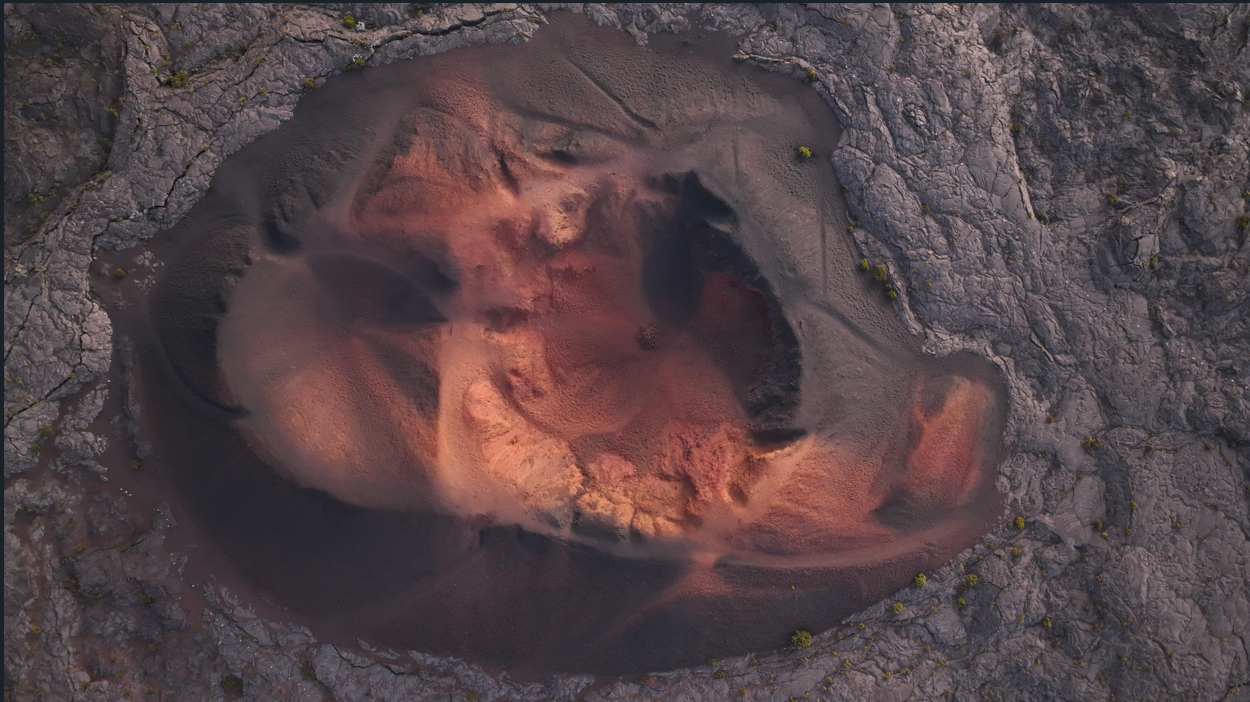
Réunion Island: Four Days on One of the World's Most Active Volcanoes
Last Updated: March 2026
I went to Réunion for four days, secretly hoping the volcano would erupt while I was there. It did.
Réunion is a French territory in the Indian Ocean, roughly 680 kilometres east of Madagascar. The island was formed by two volcanoes - Piton des Neiges, now dormant and standing at 3,071 metres as the highest point in the Indian Ocean, and Piton de la Fournaise, one of the most active volcanoes on earth. Piton de la Fournaise has erupted more than 150 times since the 17th century. It erupts almost every year. Forty per cent of the island is a UNESCO World Heritage Site. This is not a place that stays still.
The Hike I Underestimated
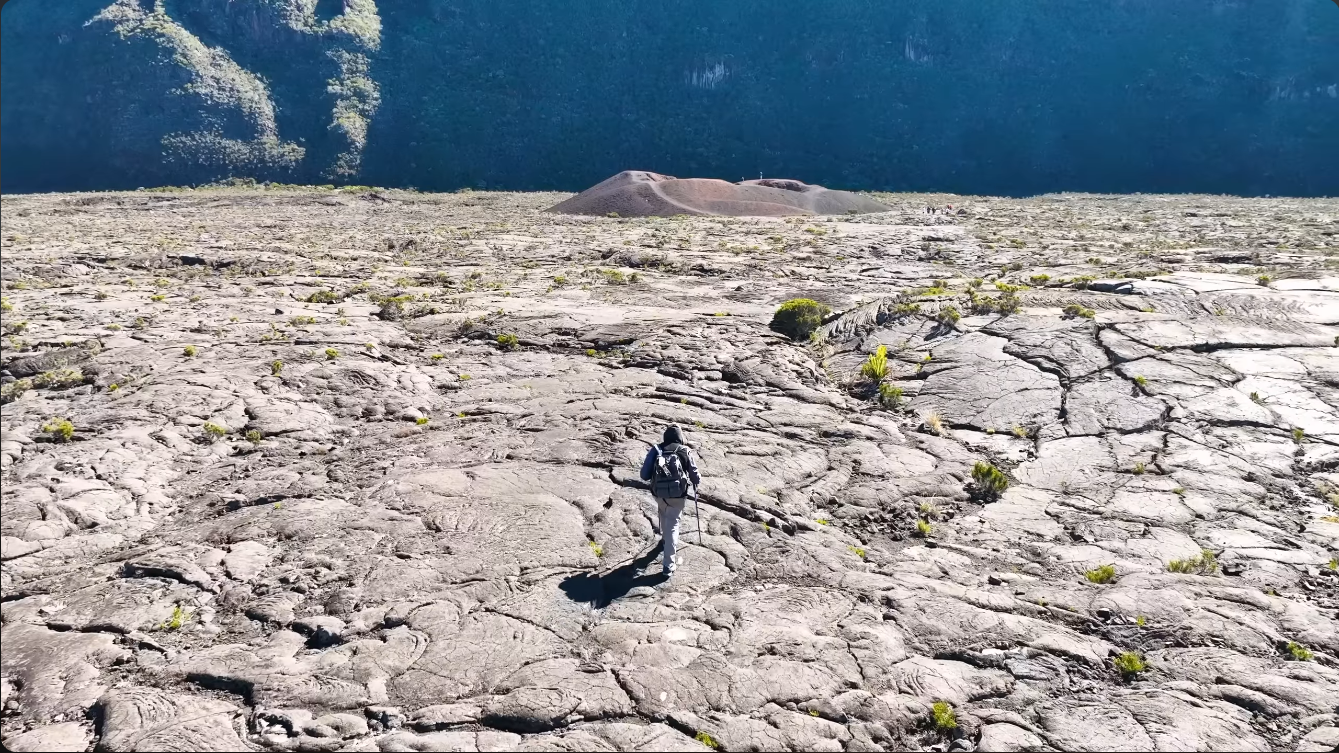
With a drone tucked in my backpack, I started the trek toward Piton de la Fournaise at sunrise. The initial elevation of 3,000 metres made each step a laborious effort. I had been telling myself I was in good shape - regular gym sessions, no issues with endurance. The mountain had a different opinion.
An ominous sign along the trail read “Eruption Risk, Be Vigilant.” I took a photo and sent it to my wife. Her response: “You’re crazy, go for it.” That made two of us.
Somewhere along the way, I chose a shortcut. It turned out to be a rocky labyrinth that converted what should have been a four-hour hike into a seven-hour test of endurance. The kind of shortcut that makes you question every decision you have made in the preceding 48 hours.
The Eruption
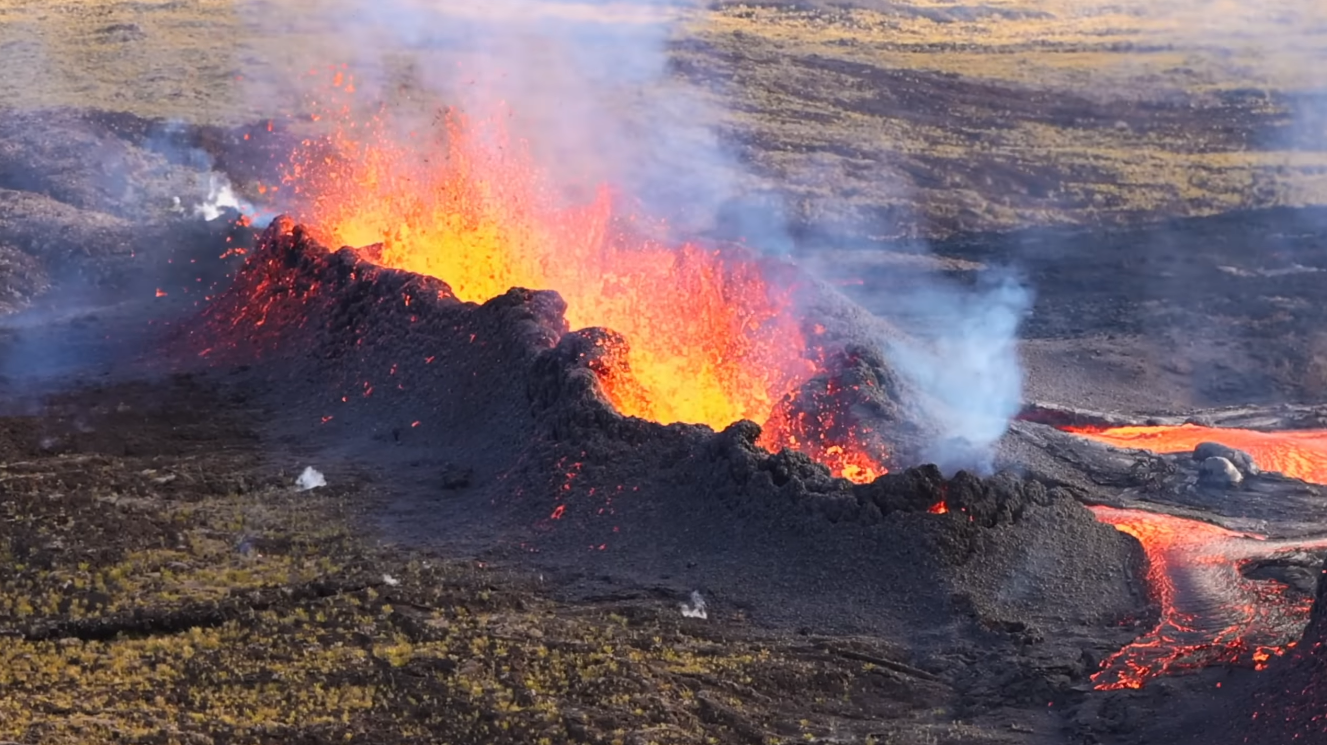
The following morning, I tuned into the local radio by chance and learned that Piton de la Fournaise had erupted. I had been on that volcano the day before. The timing was either the luckiest or the most reckless thing that had happened to me on a trip - depending on who you ask.
Feeling doubly fortunate - for not being there during the eruption, and for now having the chance to witness it - I joined a group for a helicopter tour. With my jacket on, the door open, and camera in hand, we flew directly over the eruption site. The helicopter blades whirred close to the billowing heat. Watching the lava flow and hearing its crackling intensity from an open door at altitude is not something I have a comparison for.
What Makes Réunion Different
Most volcanic islands are destinations you visit for the beach. Réunion is a destination you visit for the terrain. The island’s interior is a maze of cirques - vast calderas carved by millions of years of erosion - three of which (Salazie, Mafate, and Cilaos) are dramatic enough to justify the trip on their own. Mafate is accessible only on foot or by helicopter. There are over 1,000 kilometres of marked hiking trails on an island roughly 65 kilometres long.
The contrast is what stays with you. You can drive from tropical coastline to volcanic moonscape in under an hour. The Route du Volcan - a road that cuts through the Plaine des Sables - looks like it belongs on another planet. Fresh lava flows sit alongside the hardened, blackened paths of old eruptions, and the whole landscape keeps rewriting itself.
For a photographer, Réunion is the kind of place where you run out of storage before you run out of subjects. I shot with a DJI Mavic 3 and the terrain delivered on every flight.